
The Psychology Behind Event Experiences and Why Audiences Remember Them
People rarely remember every detail of an event. They remember how the event made them feel. This emotional response is at the heart of every successful event experience. Understanding the psychology behind event experiences helps brands create moments that stay with audiences long after the event ends.
Events are powerful because they combine human interaction, environment, and emotion. Unlike digital marketing or advertisements, events create real time experiences that engage multiple senses at once. When planned thoughtfully, these experiences influence perception, memory, and decision making.
How the Human Brain Processes Event Experiences
The human brain remembers experiences differently than information. Facts may fade, but emotions and moments stay longer. This is why audiences often remember the atmosphere of an event rather than specific speeches or presentations.
Event experiences activate emotional memory. Music, lighting, visuals, and human interaction all play a role in shaping how the brain processes the experience. When these elements work together, the brain forms stronger memory associations.
This is especially important for corporate events and brand events. A well designed event experience can improve brand recall and emotional connection without overt promotion.
The Role of Emotion in Audience Engagement
Emotion is a key driver of engagement. Audiences engage more when they feel involved, comfortable, and valued. Events that feel cold or overly structured often fail to create meaningful connections.
Positive emotional triggers include
• A welcoming environment
• Smooth flow and clarity
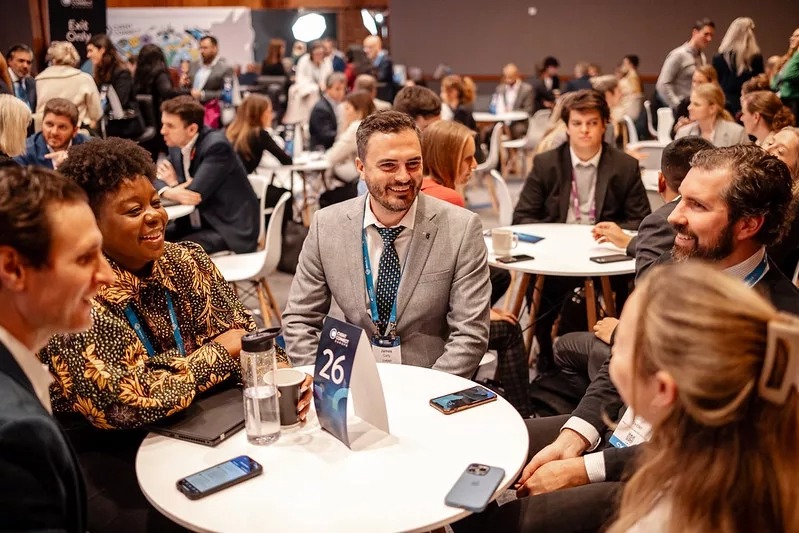
• Interactive moments
• Thoughtful pacing
When attendees feel relaxed and engaged, they are more open to communication and interaction.
This is why successful corporate events focus not only on content but also on how the audience experiences the event from arrival to exit.
Sensory Elements That Shape Event Experience
Event experience is deeply influenced by the senses. Visuals, sound, space, and even movement impact how audiences perceive the event.
Lighting sets mood and focus. Sound influences energy and attention. Space planning affects comfort and interaction. These elements may seem subtle, but together they shape how the event feels.
Professional event planning takes these sensory factors into account to ensure the environment supports the purpose of the event rather than distracting from it.
Events that overload the senses can feel chaotic, while events that ignore sensory design may feel flat. Balance is key.
Why Interaction Improves Memory and Recall
People remember what they participate in more than what they observe. Interactive event experiences encourage active involvement, which strengthens memory formation.
Interaction can take many forms
• Live discussions or Q and A
• Hands on demonstrations
• Audience participation activities
These interactions create personal relevance. When attendees feel part of the event rather than spectators, the experience becomes more meaningful.
This principle is widely used in experiential marketing and brand activation, where engagement leads to stronger emotional connection and recall.
Designing Event Experiences With Purpose
A strong event experience does not happen by accident. It is designed with intent. Purpose driven event planning ensures that every element supports the desired emotional outcome.
This includes understanding
• Who the audience is
• What emotions the event should evoke
• How the brand wants to be perceived
When purpose guides planning, the event feels cohesive and authentic rather than forced.
Brands that invest in structured event experience planning by 3W Events benefit from thoughtful design that balances emotion, engagement, and execution across corporate and brand events.
The Long Term Impact of Memorable Event Experiences
A memorable event experience influences how audiences talk about the event after it ends. Word of mouth, social sharing, and brand association are all shaped by how the experience was perceived.
Positive event experiences build trust and credibility. They also influence future decisions, whether it is brand loyalty, partnerships, or business opportunities.
This is why organizations increasingly view events as strategic investments rather than one time activities.
Why Psychology Matters in Modern Event Planning
Modern audiences are more aware and selective. They value authenticity and meaningful experiences over promotional messaging. Understanding the psychology behind event experiences allows planners to design events that resonate on a human level.
When emotion, engagement, and environment work together, events become memorable rather than forgettable.
Event experiences that are planned with psychological insight do more than deliver messages. They create moments that audiences remember and connect with long after the event is over.