
The Ultimate Conference Planning Checklist for Smooth Execution
Planning a conference requires more than booking a venue and inviting speakers. Whether it is an internal corporate gathering, an industry seminar, or a leadership summit, success depends on preparation and structure. This is where a detailed conference planning checklist becomes essential.
A strong checklist ensures nothing is overlooked. From speaker coordination to managing the event timeline, every step plays a role in delivering a smooth and professional experience.
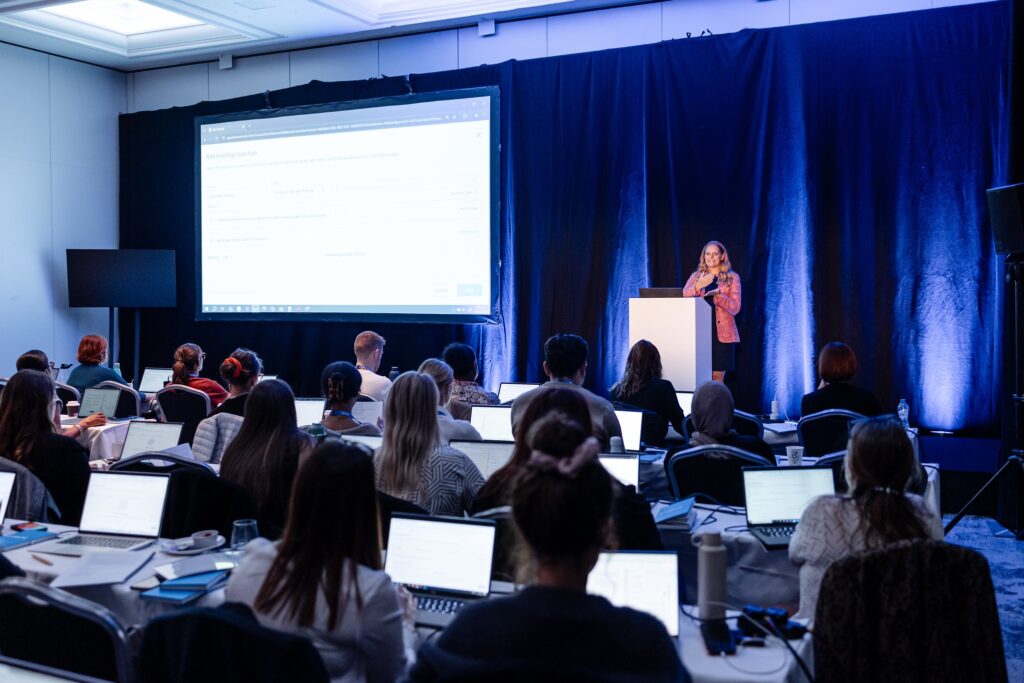
Define Clear Objectives Before You Begin
Every successful conference starts with clarity. What is the purpose of the event? Is it knowledge sharing, networking, product education, or internal alignment?
When objectives are clearly defined, agenda planning becomes easier and more focused. A conference planning checklist should begin with identifying:
• Target audience
• Event goals
• Expected outcomes
• Key message
This foundation guides all other decisions.
Create a Structured Agenda Planning Framework
Agenda planning determines how your conference flows. A well balanced agenda keeps the audience engaged and prevents fatigue.
When structuring the agenda, consider:
• Opening keynote impact
• Logical session sequencing
• Adequate networking breaks
• Strong closing summary
Session flow should feel natural, not rushed. Transitions between speakers must be smooth to maintain energy levels.
A realistic agenda prevents delays and keeps the event timeline under control.
Prioritize Speaker Coordination Early
Speaker coordination is one of the most sensitive parts of conference planning. Delays in communication or lack of clarity can disrupt the entire schedule.
Effective speaker coordination includes:
• Confirming speaker availability in advance
• Sharing clear event briefs
• Collecting presentations before the event
• Conducting technical rehearsals
Speakers should understand the audience profile and the purpose of the conference. This ensures their sessions align with the overall theme.
Many organizers depend on professional conference management support to streamline speaker communication and maintain schedule discipline.
Build and Monitor a Detailed Event Timeline
A conference planning checklist must include a comprehensive event timeline. Without it, sessions may overlap or run behind schedule.
An effective event timeline covers:
• Venue access time
• Setup schedule
• Registration opening
• Session start and end times
• Break duration
• Dismantling schedule
Timelines should be realistic and allow buffer time for unexpected situations.
Corporate gatherings often involve multiple stakeholders, and structured timeline management keeps everything aligned.
Plan Registration and Guest Flow Carefully
The first impression of your conference begins at registration. A smooth check-in process reduces stress and sets a professional tone.
To improve guest flow:
• Use clear signage
• Assign trained registration staff
• Avoid overcrowding at entry
• Provide easy navigation inside the venue
Comfortable seating arrangements and visible stage setup also contribute to a positive attendee experience.
Prepare Technical and On Site Coordination
Technical readiness can make or break a conference. Audio systems, lighting, projectors, and internet connectivity must be tested beforehand.
On site coordination ensures:
• Speakers are ready before sessions
• Presentations are pre loaded
• Timing is maintained
• Unexpected issues are resolved quickly
Even a small technical glitch can affect the professionalism of the event, so preparation is critical.
Focus on Audience Experience Throughout
A conference planning checklist is not complete without considering audience comfort and engagement.
Keep in mind:
• Balanced session length
• Clear communication
• Comfortable environment
• Opportunities for interaction
When attendees feel comfortable and valued, engagement improves naturally.
Conduct Post Event Review
Once the conference concludes, the checklist continues. Reviewing performance helps improve future events.
Evaluate:
• Attendance numbers
• Audience feedback
• Session timing efficiency
• Overall engagement levels
Continuous improvement strengthens future corporate gatherings.
Why a Conference Planning Checklist Matters
Conferences represent professionalism and brand credibility. Without a structured approach, small gaps can become noticeable issues.
A comprehensive conference planning checklist ensures speaker coordination, agenda planning, session flow, and event timeline are aligned. When everything works together, the conference feels organized and impactful.
Careful planning transforms complex events into smooth, memorable experiences.