
How Experiential Marketing Is Changing the Way Brands Connect with People
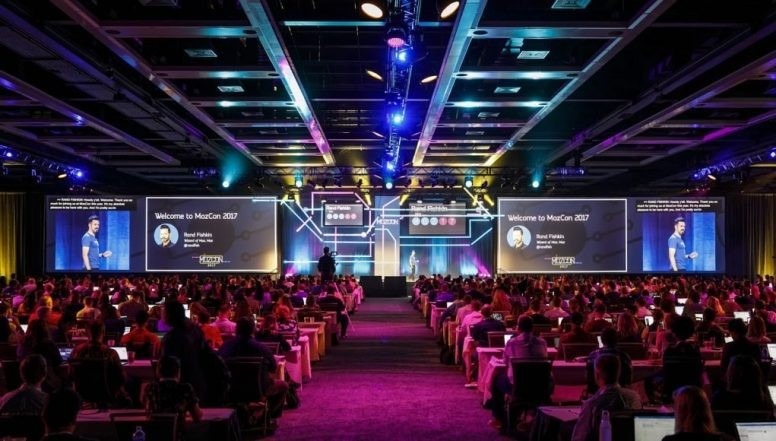
Think about the last event you truly enjoyed. Chances are, you do not remember every detail. But you probably remember how it made you feel. That emotional connection is exactly what experiential marketing is built on.
In today’s crowded market, brands are no longer competing just for attention. They are competing for connection. People are constantly exposed to ads, notifications, and promotional content. What stands out now is not noise, but experience. Experiential marketing focuses on creating real, interactive moments that allow people to connect with a brand in a meaningful way.
Instead of telling people what a brand does, experiential marketing allows them to experience it.
Moving Beyond Traditional Promotion
Traditional marketing often feels one sided. A brand speaks, and the audience listens. Experiential marketing changes that dynamic. It invites the audience to participate.
Whether it is an interactive product zone, a live demonstration, or an immersive setup, the goal is to create an environment where people feel involved rather than targeted. When someone interacts with a brand directly, the experience becomes personal. And personal experiences are remembered longer.
In live marketing events and corporate brand gatherings, experiential marketing becomes especially powerful during product launch event planning, where brands need to create strong first impressions and meaningful audience engagement.
Why Immersive Experiences Matter
People connect with emotions, not presentations. An immersive brand experience engages multiple senses at once. The space, lighting, sound, and flow all come together to create an atmosphere that supports the brand story.
Some simple ways immersive experiences are created include
• Designing interactive spaces
• Encouraging live participation
• Creating visually engaging environments
These elements may seem small individually, but together they shape how the event feels.
Creating Moments People Remember
Experiential marketing works because it taps into how memory functions. People remember moments that make them feel something. A well designed experience can influence how a brand is perceived long after the event ends.
It is not about making the biggest setup or the loudest presentation. It is about creating meaningful interactions that stay with the audience.
As audiences become more selective, brands that focus on experience rather than exposure build stronger relationships. Experiential marketing allows businesses to step away from traditional promotion and step into real connection.
And in the world of events, connection is what truly lasts.